
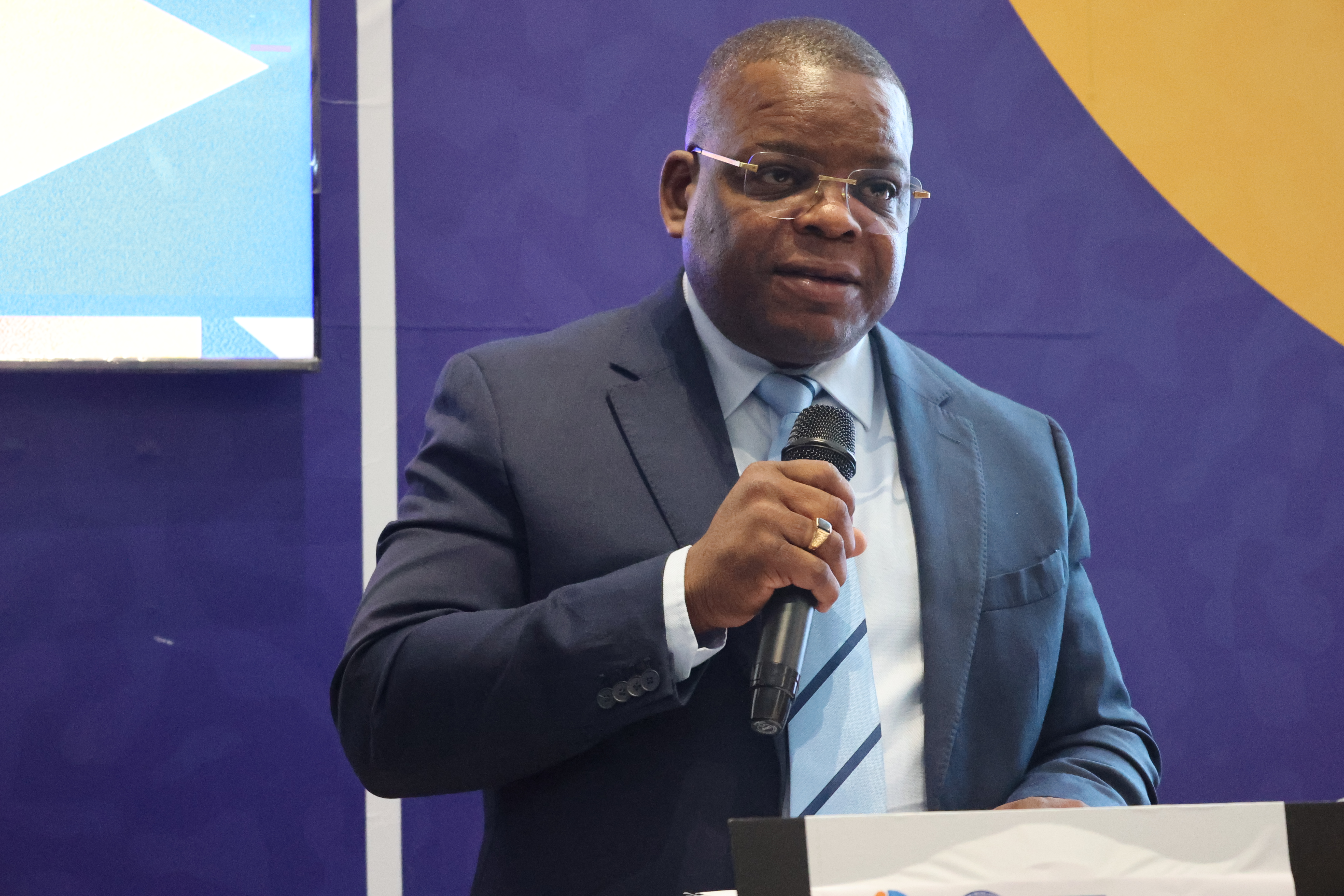
On 20th October 2026 the Southern African Development Community (SADC) opened the 2026 Disaster Preparedness and Response Planning Workshop in Johannesburg, South Africa, under the theme, “From Forecast to Consequence: Anticipating the Cascading Impacts of El Niño 2026/27 in Southern Africa.” The four-day workshop is convened by the SADC Secretariat in collaboration with the European Union, through the European Commission’s Directorate-General for European Civil Protection and Humanitarian Aid Operations (DG ECHO), and in partnership with the Regional Anticipatory Action Working Group (RAAWG). Participating partners include the Food and Agriculture Organization of the United Nations (FAO), the International Federation of Red Cross and Red Crescent Societies (IFRC), the International Organization for Migration (IOM), Start Network, the United Nations Children’s Fund (UNICEF), the World Food Programme (WFP), the World Health Organization (WHO) and World Vision.
The workshop focuses on strengthening preparedness, advancing anticipatory action and enhancing coordination in response to the potential impacts of El Niño during the 2026/2027 rainfall season. The discussions are aimed at ensuring that governments and humanitarian actors are better positioned to anticipate emerging risks, mobilise resources and implement timely interventions to protect vulnerable communities and safeguard livelihoods.
The opening session featured remarks from representatives of RAAWG, DG ECHO and the SADC Secretariat. The workshop was officially opened by the Director of the Republic of South Africa’s National Disaster Management Centre, Ms Pumeza Tyali, on behalf of the Government of South Africa. The deliberations are guided by a central question: What are the anticipated risks during the 2026/2027 season, and are existing systems sufficiently prepared to act before these risks translate into humanitarian consequences?
Ms Tyali emphasised the need to strengthen multi-hazard early warning systems, enhance risk information and forecasting capacities, improve contingency planning, and ensure that vulnerable communities receive timely and actionable warnings. She further underscored the importance of inclusive disaster preparedness, particularly for women, children, older persons, persons with disabilities, and communities residing in high-risk areas. She stressed that the success of the workshop would be measured by the practical actions arising from its deliberations and called on participants to exchange experiences, share lessons learned, strengthen partnerships, and develop concrete preparedness measures to enhance the region’s collective capacity to respond effectively to disasters.
In his remarks, the SADC Secretariat’s Head of Disaster Risk Reduction, Dr Manuel Lutango, highlighted the importance of assessing progress in disaster preparedness and anticipatory action since the previous regional workshop held in 2024. He noted that the workshop would provide an opportunity to review measures being undertaken by SADC Member States and partners in preparation for the projected El Niño conditions, while strengthening regional coordination and ensuring that preparedness efforts are translated into concrete action.
Dr Lutango further outlined the workshop’s key objectives, which include developing and validating the Regional Contingency Plan for the 2026/2027 season and reviewing the Regional Multi-Hazard Anticipatory Action Framework, including its provisions for drought triggers. The workshop will also seek to align regional contingency planning with the Framework, strengthen sectoral preparedness, clarify operational responsibilities and advance discussions on pre-arranged financing to support timely anticipatory interventions.
The workshop responds to calls for action emerging from the recent Maputo International Conference on Disaster Risk Reduction, where Ministers underscored the need to accelerate the implementation of the African Multi-Hazard Early Warning and Early Action System (AMHEWAS) and the Early Warnings for All initiative. The calls further emphasised the importance of strengthening interoperability among national, regional and continental early warning platforms and ensuring that warnings are accessible, actionable and effectively communicated to at-risk communities.
In addition, the conference highlighted the need to strengthen long-term resilience to seasonal shocks through measures such as the implementation of National Adaptation Plans, landscape restoration, agricultural transformation and the pre-positioning of contingency food and non-food supplies ahead of El Niño and other potential disasters. These priorities reinforce the importance of linking early warning systems with effective preparedness, adequate resources and coordinated early action.
Speaking on behalf of RAAWG, Dr Lewis Hove, Resilience Team Leader at the FAO Subregional Office for Southern Africa, noted that despite accurate forecasts, delays in funding, inadequate supplies and slow response mechanisms constrained the effectiveness of interventions. The Director called for stronger anticipatory action systems, timely financing, shared regional contingency planning and enhanced accountability to ensure that early warnings trigger practical interventions before hazards escalate into humanitarian crises. The Director reiterated that acting early and working together are essential to saving lives, protecting livelihoods and strengthening disaster resilience across Southern Africa.
Speaking on behalf of DG ECHO, Mr Pablo Torrealba, Head of the DG ECHO Office in Pretoria, said the region must move decisively from reactive emergency response to systematic, risk-informed anticipatory action. He noted that early warnings now arrive on time, and that the main gap lies in translating them into pre-arranged financing, clear procedures, prepositioned stocks and timely action, while preparing for multiple hazards rather than drought alone. He encouraged participants to leave Johannesburg with validated plans, clear sector mandates and an accountable roadmap for action, and reaffirmed DG ECHO’s commitment to supporting SADC and its Member States.
Over the four days, participants will focus on strengthening regional contingency planning, advancing anticipatory action and improving coordination among Member States and humanitarian partners. The workshop is expected to contribute to a more coherent regional approach that links seasonal forecasts with risk-informed decision-making, timely resource mobilisation and clearly defined operational responsibilities, helping to ensure that early warnings translate into effective action to reduce disaster risks and protect vulnerable communities across the SADC region.


