
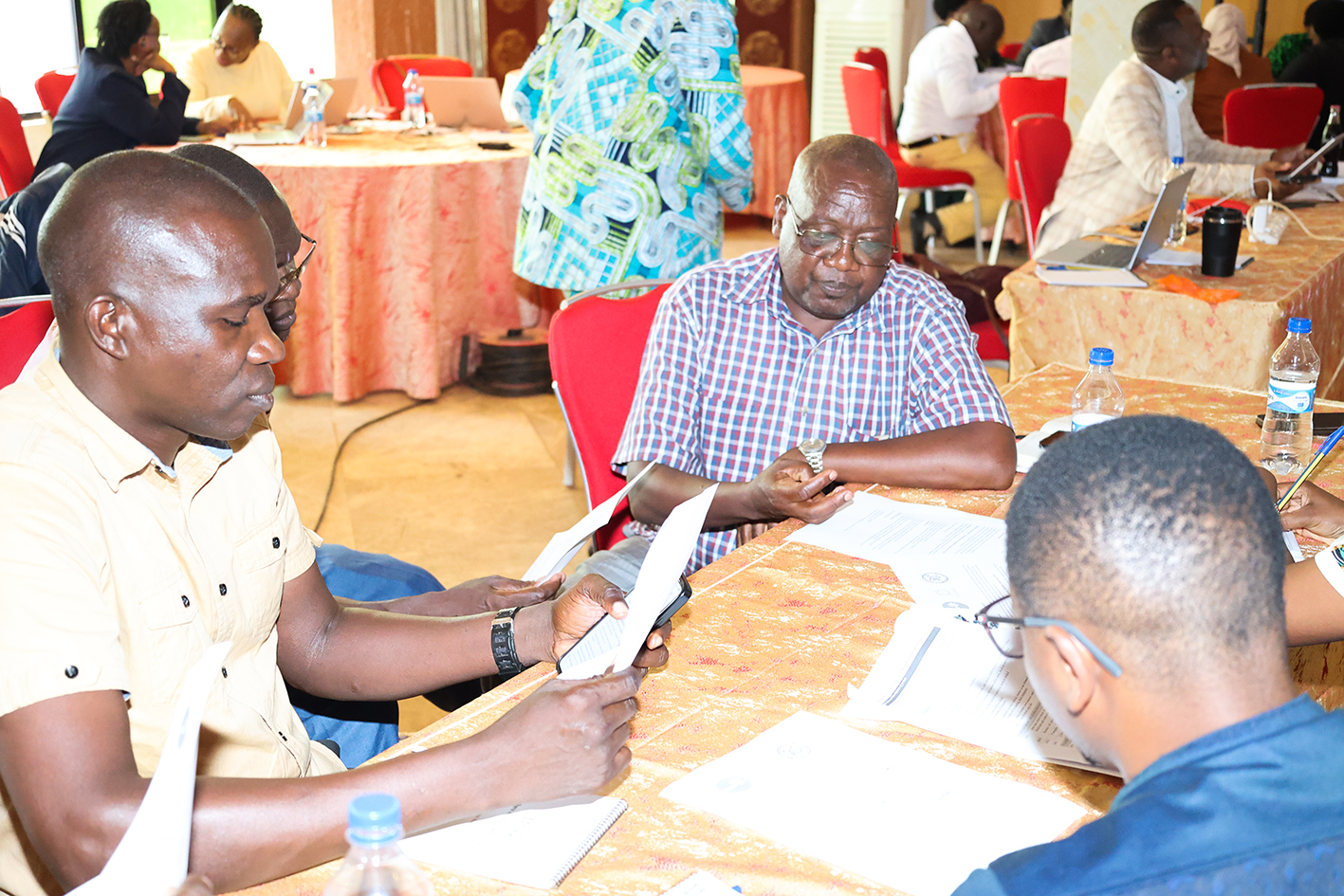
The Capacity Building and Awareness Creation Workshop on the Implementation of the Tripartite Simplified Trade Regime (TSTR), held at the Busia Border Post between the Republic of Kenya and the Republic of Uganda from 16 to 17 November 2026, highlighted the strategic role that simplified trade can play in advancing regional integration, economic inclusion and the livelihoods of small-scale cross-border traders across the Common Market for Eastern and Southern Africa (COMESA), the East African Community (EAC) and the Southern African Development Community (SADC Tripartite region.
While the TSTR has not yet been operationalised, the workshop underscored growing recognition among stakeholders that the proposed regime represents an important step towards addressing longstanding challenges experienced under existing Simplified Trade Regimes operating within the Regional Economic Communities (RECs). Participants noted that the TSTR seeks to build on the successes of current STR arrangements while responding to practical implementation issues that continue to affect small-scale traders, including limited access to trade information, inconsistent application of procedures, non-tariff barriers (NTBs), and inadequate institutional support at border posts.
The discussions highlighted that small-scale cross-border trade remains an important source of income, employment and food security for millions of people across Eastern and Southern Africa. Women, who constitute the majority of informal and small-scale cross-border traders in many border communities, stand to be among the principal beneficiaries of a well-functioning TSTR. By simplifying trade procedures, reducing compliance costs and improving access to information, the regime has the potential to enhance the participation of women in regional value chains, strengthen household incomes and contribute to broader socio-economic development.
Participants emphasised that knowledge and understanding of the TSTR among all stakeholders will be critical to achieving these outcomes. Customs authorities, standards agencies, border management institutions, traders' associations, local authorities and traders themselves all require a common understanding of the procedures, requirements and opportunities associated with the regime. In this regard, the workshop demonstrated that awareness creation and capacity building are not merely preparatory activities but strategic interventions necessary for ensuring that the benefits of regional integration are accessible to those who need them most.
A key outcome of the workshop was the enhanced understanding of the proposed TSTR framework, including product eligibility requirements, simplified certificates of origin, applicable thresholds and customs procedures. Through practical exercises and discussions, participants explored how the proposed arrangements could facilitate trade while maintaining compliance with customs and regulatory requirements. The exercises also reinforced the importance of ensuring that border officials and traders have a shared interpretation of procedures to promote predictability and transparency once the regime becomes operational.
The workshop further highlighted the central role of Trade Information Desks and Trade Information Desk Officers in supporting the effective implementation of the TSTR. Participants noted that many challenges faced by small-scale traders are often linked to information asymmetries rather than formal trade requirements alone. Trade Information Desk Officers can therefore serve as critical frontline actors by providing guidance on trade procedures, product eligibility, documentation requirements, applicable regulations and available support services. Their role is expected to strengthen trader confidence, improve compliance and facilitate more effective engagement between traders and border agencies.
Particular attention was also given to the persistence of Non-Tariff Barriers, which continue to undermine the benefits of regional integration despite progress in tariff liberalisation. Participants observed that delays, inconsistent application of regulations, excessive documentation requirements, lack of transparency and other procedural obstacles can significantly increase the cost of doing business for small-scale traders. Discussions therefore emphasised the importance of strengthening awareness and utilisation of existing NTB reporting and monitoring mechanisms as tools for improving accountability and responsiveness within regional trade corridors. Representatives from COMESA and SADC demonstrated the NTB Reporting and Monitoring Mechanism and encouraged stakeholders to actively use the platform to report and monitor trade-related challenges.
The workshop also reinforced the importance of compliance with Sanitary and Phytosanitary (SPS) measures and other regulatory requirements governing cross-border trade. Participants discussed the need to improve trader awareness of food safety, packaging, labelling and permit requirements, while strengthening collaboration between border agencies and regulatory authorities. Improved access to such information is expected to reduce unnecessary delays, minimise losses and improve market access for small-scale traders.
Beyond trade facilitation, participants recognised the broader developmental significance of the TSTR. By promoting easier movement of goods, expanding market opportunities and encouraging greater participation of small enterprises in formal trade, the regime is expected to support local production, stimulate value addition and contribute to industrialisation objectives across the Tripartite region. In this regard, the TSTR was viewed not only as a customs facilitation instrument but also as an important mechanism for inclusive economic development and poverty reduction.
As a next step, awareness creation and capacity-building initiatives will be expanded to additional strategic border posts, including the Mwami/Mchinji Border Post between Malawi and Zambia . These engagements are expected to deepen stakeholder understanding of the proposed regime and contribute to broader preparedness for its eventual operationalisation, subject to the completion of the necessary Tripartite approval processes.
The Busia workshop demonstrated a shared commitment among COMESA, EAC, SADC, Member States, border agencies and traders' organisations to ensure that the TSTR responds to the realities faced by small-scale cross-border traders. Through sustained capacity building, stronger trade information systems, effective management of non-tariff barriers and enhanced stakeholder collaboration, the proposed regime has the potential to create a more inclusive trading environment in which small-scale traders, particularly women, can participate more effectively in regional markets and contribute to the growth of intra-African trade.


